
























































Nizar Bahlis, MD, highlights the phase 3 POLLUX trial evaluating daratumumab plus lenalidomide and dexamethasone for the treatment of patients with relapsed/refractory multiple myeloma.

Peter Turecek, PhD, Explains How Medical Devices May Benefit Patients with Hemophilia

Ruxolitinib Therapy Benefits Patients with Chronic Neutrophilic Leukemia
Nizar Bahlis, MD, highlights the phase 3 POLLUX trial evaluating daratumumab plus lenalidomide and dexamethasone for the treatment of patients with relapsed/refractory multiple myeloma.

Misleading information and unclear information can skew patients’ expectations of experimental treatments.

Among the highlights, significant and sustained increases in hemoglobin without transfusions stood out.

Lead investigator, John Leonard, MD, reviews the phase 3 AUGMENT trial investigating lenalidomide plus rituximab for the treatment of relapsed/refractory follicular lymphoma.

Models show that for every gram of hemoglobin increased per deciliter, the risks associated with hemolytic anemia decrease.
Jorge Cortes, MD, highlights the phase 3 QuANTUM-R trial results and explains their clinical implications for patients with FLT3-ITD-mutated relapsed/refractory acute myeloid leukemia (AML).

Patients’ daily bleed diaries helped investigators understand why some bleeds are treated, and some are not, as well as their causes.

The findings supported the FDA approval of lanadelumab for hereditary angioedema treatment earlier this year.

Jasmine Zain, MD, recaps the current and upcoming treatments in T-cell lymphoma and highlights the key clinical trials playing a role in the rare disease.

The pediatrician discusses key differences between treating pediatric and adult patients with hemophagocytic lymphohistiocytosis (HLH) with the recently FDA-approved emapalumab.
The therapy attempts to restore fetal hemoglobin production.

Ravulizumab dosed every 8 weeks was noninferior to eculizumab given every 2 weeks, but the treatment did not achieve superiority.

Among the highlights observed in the data, the single-agent oral demonstrated significant improvement in progression-free survival (PFS).
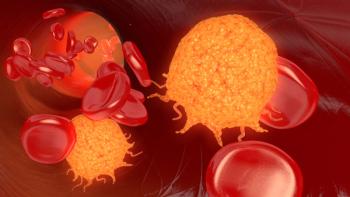
Full results from the phase 3 MURANO trial showed a reduced risk in disease progression and 87.9% overall survival in relapsed/refractory chronic lymphocytic leukemia patients treated with venetoclax/rituximab.

Currently available anemia therapies only provide benefit for about half of patients with a lower-risk myelodysplastic syndromes (MDS)-related condition—and about one-quarter of such patients dependent on red blood cell transfusions.
Justin Taylor, MD, explains new and unique data that show cases in which a solid tumor can become a hematologic malignancy, or leukemia.

Males with myeloproliferative neoplasms (MPN) were found to have inferior survival compared to females in a well-defined, prospective, observational cohort.
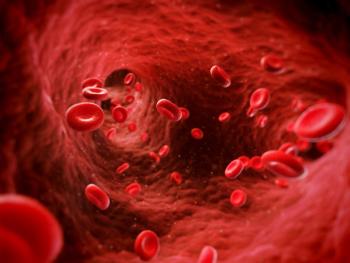
The odds ratio of patients on the therapy reaching ≥33% RBC transfusion burden reduction was 5 times greater than those on placebo.

Long-term data shows familial haploidentical stem cell transplantation (HISCT) improves quality of life and neurocognition in sickle cell disease patients.

The FDA has approved amifampridine (Firdapse) tablets as the first ever treatment of the rare autoimmune disorder, Lambert-Eaton myasthenic syndrome (LEMS) in adults.

The FDA has approved gilteritinib (XOSPATA) for the treatment of adult patients with relapsed or refractory acute myeloid leukemia (AML) with a FLT3 mutation as detected by an FDA-approved test.

The FDA has approved rituximab-abbs (Truxima) for the treatment of adult patients with non-Hodgkin’s lymphoma. This indication stands as the first FDA-approved biosimilar for the rare blood cancer.
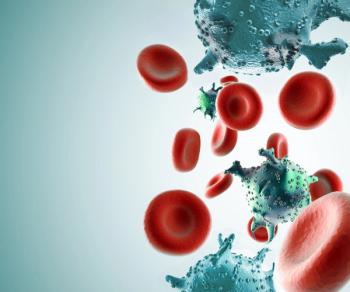
Investigators in Denmark found that both current and ex-smokers have an increased risk of developing myeloproliferative neoplasms.

Mayo Clinic investigators found young patients with myeloproliferative neoplasms who are under age 40 are a steadily growing population and seem to have longer survival than their older counterparts.

The FDA has granted an accelerated approval to larotrectinib (Vitrakvi, Bayer and Loxo Oncology, Inc) for the treatment of pediatric and adult solid tumors with neurotrophic receptor tyrosine kinase (NTRK) gene fusion.