



























































The FDA has granted a tentative approval to Aquestive Therapeutics, Inc.’s clobazam (Sympazan) oral film for the adjunctive treatment of seizures associated with Lennox-Gastaut Syndrome (LGS) in patients 2 years of age or older.
The FDA has granted a tentative approval to Aquestive Therapeutics, Inc.’s clobazam (Sympazan) oral film for the adjunctive treatment of seizures associated with Lennox-Gastaut Syndrome (LGS) in patients 2 years of age or older.

The latest approach to developing a gene therapy for Duchenne muscular dystrophy shows promising results.

The FDA has granted a priority review for an anti-PD-1 therapy for the treatment of adults and pediatric patients with recurrent locally advanced or metastatic Merkel cell carcinoma.

Ibudilast has been found to slow down brain atrophy in patients with progressive multiple sclerosis.

Findings from a recent study reinforce that efforts to help patients connect with other patients should be considered a vital and beneficial element in patient management.

Stay up-to-date on the latest rare disease news by checking out our top 5 articles of the week.

In a recent webinar, geneticist Debra Regier, MD, provides an overview of the importance of genetic testing in the rare disease space.

Mechanisms underlying the disease pathology of Alexander disease, a rare leukodystrophy affecting the nervous system, have been uncovered by City of Hope investigators.

In order to successfully treat Rett syndrome, studies need to focus on a holistic approach encompassing each of the associated emotional, behavioral, and autonomic dysregulation symptoms.

Harvard Medical School investigators have discovered a molecular link between aging and a genetic cause of amyotrophic lateral sclerosis and frontotemporal dementia.

The FDA has approved Bayer’s antihemophilic factor [recombinant] PEGylated-aucl, BAY94-9027 (Jivi), for routine prophylactic treatment of hemophilia A in previously treated adults and adolescents aged 12 years or older.

Stem cell research from the University of Michigan reveals dangerous cardiac effects of a gene mutation in patients with Dravet syndrome.
Investigators in Cincinnati have linked a gene with myelodysplastic syndromes, potentially offering the first step toward a new genetic therapy.

Investigators from McGill University have discovered a new link connecting immune cells and the development of gastric tumors in those with Peutz-Jeghers Syndrome.

A phase 3 trial demonstrates that tafamidis significantly reduced the combination of all-cause mortality and cardiovascular-related hospitalizations in patients with ATTR-CM.
The FDA has granted an orphan drug designation to ReflectionBio's AAV-based gene therapy, the RBIO-101 program (AAV.CYP4V2), for the treatment of Bietti's crystalline dystrophy (BCD).
Early trials have shown promising results for hemophilia therapies and now could be the most promising time for a lasting treatment and possible cure.
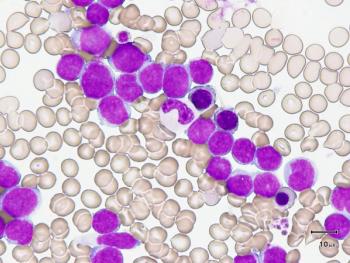
The FDA has granted a fast track designation to CX-01 for the treatment of patients over 60 years of age receiving induction therapy for newly-diagnosed AML.

The FDA has granted a rare pediatric disease designation to AAV-CNGA3 for the treatment of patients with achromatopsia due to mutations in the CNGA3 gene.

The FDA has approved ibrutinib (IMBRUVICA) plus rituximab (RITUXAN) for the treatment of adult patients with Waldenström's macroglobulinemia, a rare and incurable type of non-Hodgkin's lymphoma.

Stay up-to-date on the latest rare disease news by checking out our top 5 articles of the week.

A contributing mechanism responsible for the development of idiopathic pulmonary fibrosis has been identified.

The FDA grants an orphan drug designation to a novel gene therapy candidate for the treatment of patients with hereditary angioedema.

The FSA approves lanadelumab (Takhzyro), the first monoclonal antibody approved in the United States to treat patients 12 years and older with types I and II hereditary angioedema.
Howard Levy, MBBCh, PhD, MMM, highlights phase 2/3 trial of MarzAA for the treatment of hemophilia.