
























































The FDA has granted an orphan drug designation to ArmaGen Inc.’s GT-184 for the treatment of mucopolysaccharidosis type IIIA.

The FDA has granted an orphan drug designation to ArmaGen Inc.’s GT-184 for the treatment of mucopolysaccharidosis type IIIA.
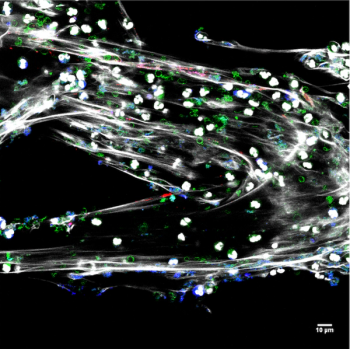
Investigators from Milan, Italy, have identified an important molecule involved in the onset of systemic scleroderma.
The FDA has granted a breakthrough therapy designation to Daiichi Sankyo Company, Limited’s investigational FLT3 inhibitor, quizartinib, for the treatment of adult patients with relapsed/refractory FLT3-ITD acute myeloid leukemia (AML).

Phase 3 trial assessing RHB-104 as a treatment for Crohn’s disease yields positive results.

High levels of the protein Mfn2 were found to prevent nerve degeneration, muscle atrophy, and paralysis of amyloid lateral sclerosis (ALS) in a mouse model.

Researchers investigate whether the location of a mutation in the PIK3CA gene affects the mutation’s ability to drive cancerous growth.

Manmeet Ahluwalia, MD, discusses the challenges patients and providers face when it comes to rare cancers.

Leading artificial intelligence companies have partnered up to develop new drug candidates for Duchenne muscular dystrophy.
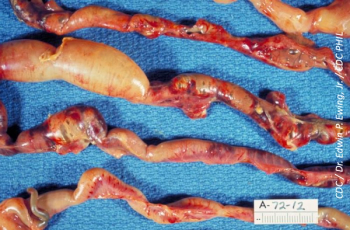
In a new study, researchers say they’ve improved on a method of delivering probiotics to premature newborns in the fight against deadly gut infections.
The FDA granted an orphan designation to Surface Oncology’s SRF231 for the treatment of multiple myeloma, a rare blood cancer.

The FDA has approved iobenguane I 131 (Azedra) injection for intravenous use for the treatment of adults and adolescents 12 years of age and older with rare adrenal gland tumors such as pheochromocytoma or paraganglioma that cannot be surgically removed, have spread beyond the original tumor site, and require systemic anticancer therapy.

Positive data collected from 2 phase 2 trials evaluating bardoxolone methyl in patients with chronic kidney disease (CKD) caused by Alport syndrome and autosomal dominant polycystic kidney disease (ADPKD) have been reported.

Researchers find that blocking one or more genes in the HSF1 pathway could represent a new approach in treating the rare, aggressive disease.

The FDA has granted a fast track designation to diazoxide choline controlled-release (DCCR) for the treatment of Prader-Willi syndrome.

Stay up-to-date on the latest rare disease news by reading the top 5 articles of the week.

Researchers from the University Hospital Zurich in Switzerland find that food seems to be a relevant trigger factor for abdominal angioedema attacks in patients with HAE.

Researchers from the Washington University School of Medicine have discovered an investigational therapy that could potentially benefit patients with an inherited form of ALS.
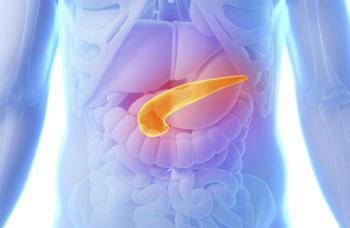
The development of new tools to quantify the many ways that rare diseases like FCS can affect patients is imperative.

Investigators explore if polio can be used as a potential treatment for glioblastoma, an aggressive form of cancer that currently has no cure.
PAL-003 phase 2 extension study of long-term pegvaliase treatment in patients with phenylketonuria demonstrates substantial efficacy in maintaining reduced blood Phe concentration.

Yale Cancer Center scientists find that some rare hereditary cancer syndromes are defined by defects in homologous-recombination DNA repair.

Researchers map family trees of cancer cells in acute myeloid leukemia to better understand how the cancer responds to new drug, enasidenib.

New research highlights the potential of fetal gene therapy to prevent and cure neonatal lethal neurodegenerative diseases in humans in utero.

The ECDC is currently investigating a multi-country outbreak of listeriosis linked to frozen vegetables that has been ongoing since 2015.
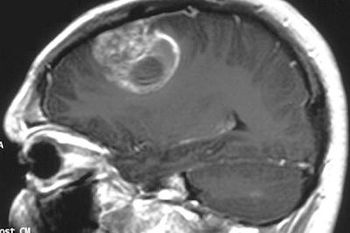
Researchers say that adding a common altitude sickness drug to the treatment protocol for patients with glioblastoma may improve the effectiveness of chemotherapy and extend survival in some patients.