


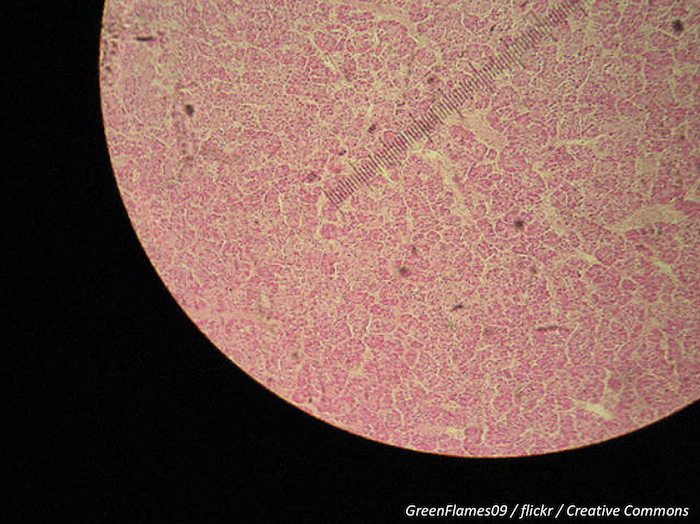
























































New evidence suggests that Rasmussen’s encephalitis is an autoimmune disease.
New evidence suggests that Rasmussen’s encephalitis is an autoimmune disease.

Stay up-to-date on the latest rare disease news by reading the top 5 articles of the week.
The FDA has granted Orphan Drug Designation to AMO-04 for the treatment of Rett syndrome.

Interim results from Novartis’ survey, I-WISh, have revealed high, negative impacts of the rare blood disorder, immune thrombocytopenia (ITP), on patients’ quality of life.

Steven Benner, MD, MHS, senior vice president and global therapeutic area head of Oncology, discusses the use of gilteritinib in patients with relapsed/refractory FLT3 mutation-positive acute myeloid leukemia (AML).

Rhythm Pharmaceuticals, Inc. has completed enrollment for its phase 3 clinical trials for the evaluation of setmelanotide for pro-opiomelanocortin (POMC) and leptin receptor (LEPR) deficiency obesity.
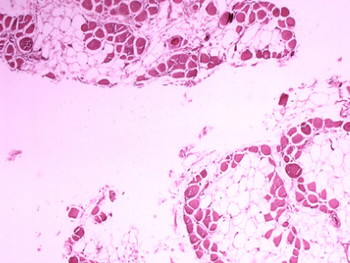
Researchers hope to move closer to finding a treatment for Duchenne muscular dystrophy, using new stem cell-based technology and genes edited with CRISPR.

A case of plague was reported in Elmore County, Idaho, in a young boy who is currently recovering with the administration of antibiotics.

William D. Tap, MD, lead investigator of the ENLIVEN study provides latest update on pexidartinib as an effective treatment for patients with tenosynovial giant cell tumor (TGCT), especially the diffuse form.

The FDA has approved moxidectin 8 mg oral for the treatment of onchocerciasis (river blindness) in patients aged 12 years and older.

The FDA granted Fast Track designation to REGENXBIO Inc for its product, RGX-111, a novel, single-dose investigational treatment for mucopolysaccharidosis type 1.

The FDA has approved bevacizumab for patients with ovarian, fallopian tube, or primary peritoneal cancer in combination with carboplatin and paclitaxel, followed by single-agent bevacizumab, for either stage 3 or 4 disease after initial surgical resection.

The FDA has approved pembrolizumab for the treatment of refractory primary mediastinal large B-cell lymphoma (PMBCL) or who have relapsed after 2 or more previous lines of therapy.
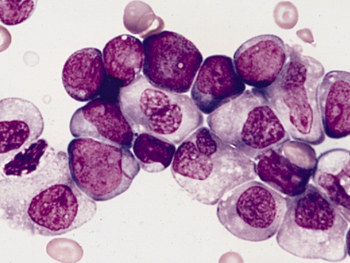
The first patient has been dosed in Actinium Pharmaceuticals’ phase 1 trial evaluating Actimab-A in combination with CLAG-M for patients with relapsed or refractory (r/r) acute myeloid leukemia (AML).
The FDA has approved methoxy polyethylene glycol-epoetin beta (Mircera) for the treatment of anemia associated with chronic kidney disease in pediatric patients aged 5 to 17 years of age on dialysis.

The FDA grants rare pediatric disease designation to Albiero Pharma Inc.’s A4250 for the treatment of PFIC, a rare liver disease for which no approved treatment is currently available.
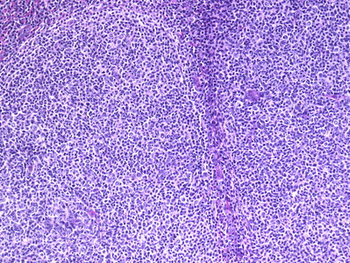
e FDA grants Fast Track designation to 177Lu-lilotomab satetraxetan (Betalutin) for the treatment of patients with relapsed/refractory follicular lymphoma after at least 2 prior systemic therapies.

The FDA has granted orphan drug designation to GPLSCD01 for the treatment of limbal stem cell deficiency.

Dimerix shares update on DMX-200, a combination therapy of propagermanium and irbesartan for the treatment of focal segmental sclerosis in addition to chronic kidney disease.

Ruben Mesa, MD, director at Mays Cancer Center at UT Health San Antonio and MD Anderson Cancer Center, discusses myeloproliferative neoplasms and other rare cancers.

Plans for a clinical phase 2a trial to test a combination of tesofensine and metoprolol (Tesomet) for the treatment of hypothalamic obesity in both the United States and Europe are underway.

Two single-patient, Compassionate Use trials for RT001 have been initiated for late onset Tay Sachs (LOTS) disease and familial encephalopathy with neuroserpin inclusion bodies (FEIN or neuroserpinosis).
The FDA has approved venetoclax for treatment of patients with chronic lymphocytic leukemia (CLL) or small lymphocytic lymphoma (SLL), with or without 17p deletion, who have received at least one prior therapy.

Positive data regarding phase 1/2 study for lumasiran, an investigational RNAi therapeutic targeting glycolate oxidase (GO) for the treatment of primary hyperoxaluria type 1 (PH1), yielded positive results.

Planned analyses of phase 3 trial of gilteritinib as a maintenance therapy after allogeneic hematopoietic stem cell transplantation in patients with Fms-like tyrosine kinase 3 internal tandem duplication (FLT3-ITD) mutations in acute myeloid leukemia (AML).