

























































Burosumab (Crysvita) was approved by the US FDA to treat adults and children ages 1 year and older with x-linked hypophosphatemia (XLH), a rare genetic variation of rickets. Phase 3 study results help explain why.
Burosumab (Crysvita) was approved by the US FDA to treat adults and children ages 1 year and older with x-linked hypophosphatemia (XLH), a rare genetic variation of rickets. Phase 3 study results help explain why.

Fibrocell Science, Inc released interim results and progress regarding its phase 1/2 clinical trial of FCX-007 for the treatment of recessive dystrophic epidermolysis bullosa (RDEB).
Harmony Biosciences, LLC, announced that the FDA has granted Breakthrough Therapy and Fast Track designations to its product, pitolisant, for the treatment of excessive daytime sleepiness and cataplexy in patients with narcolepsy.

The first patient has been enrolled in PEDFIC-1, a phase 3 clinical trial of A4250, an ileal bile acid transporter (IBAT) inhibitor being studied for the treatment of patients with progressive familial intrahepatic cholestasis (PFIC).
Vincent Miller, MD, chief medical officer of Foundation Medicine, discusses FoundationOne CDx, an FDA-approved diagnostic that is clinically validated for solid tumors.

The phase 1/2 trial for ABO-102 (AAV-SGSH), clinical gene therapy for the treatment of Sanfilippo syndrome type A (MPS III A) shows efficacy in trial update.
Patrick Dunegan, Rare Impact Awardee, explains how GSSSI, a 501c3 nonprofit organization, is working to fight gastroparesis, a gastric motility disorder known to be very debilitating for those who suffer from it.

The FDA has granted Rare Pediatric Disease Designation to Myonexus Therapeutics for its MYO-101, which is an AAV-based gene therapy for the treatment of limb girdle muscular dystrophy (LGMD) type 2E.

New data shows that an increase in the burden of AF is independently associated with a higher risk of ischemic stroke and arterial thromboembolism in patients who have not received anticoagulant medication.

The FDA granted rare pediatric disease designation to Castle Creek Pharmaceuticals (CCP) for diacerein 1% ointment (CCP-020) for the treatment of epidermolysis bullosa simplex (EBS).

The US Food and Drug Administration (FDA) has accepted the Bioverativ's Investigational New Drug (IND) application for BIVV003, a gene-edited cell therapy candidate for the treatment of people with sickle cell disease.

Agilis Biotherapeutics, Inc. has announced that the company's gene therapy for AADC deficiency results in de novo dopamine production and supports durable Improvement in major motor milestones.

New data being presented at ASGCT detail patients (1.67 to 8.42 years of age) enrolled in a study evaluating the investigational gene therapy treatment, AGIL-AADC.

Data is released from a pilot study of X4P-001-IO in combination with nivolumab in patients with clear cell renal cell carcinoma (ccRCC) who are non-responsive to the anti-PD-1 checkpoint inhibitor nivolumab alone.
FDA grants orphan drug designation to Sarconeos for Duchenne muscular dystrophy (DMD).

Positive results yield from a phase 2 tudy of bertilimumab in patients with moderate-to-extensive bullous pemphigoid (BP).

FDA approves Retacrit (epoetin alfa-epbx) as a biosimilar to Epogen/Procrit (epoetin alfa) for the treatment of anemia caused by chronic kidney disease, chemotherapy, or the use of zidovudine in patients with HIV infection.

The first patient has been dosed in aphase 1/2 study (BMN 270-203) evaluating the investigational gene therapy, valoctocogene roxaparvovec, in severe hemophilia A patients with pre-existing AAV5 antibodies.
Susan Weisman, a light chain (AL) amyloidosis caregiver for her husband since 2009, touches on a few of her husband's treatments in an approximate timeline.
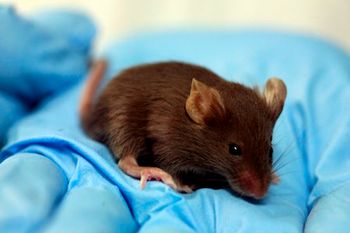
LogicBio Therapeutics Inc will present data regarding gene editing technologies in hemophilia B and Methylmalonic Acidemia (MMA) at the annual meeting of the ASGCT in Chicago.

Soleno announced this morning that its multi-center Phase 3 clinical trial of Diazoxide Choline Controlled-Release (DCCR) tablets for the treatment of Prader-Willi Syndrome has been initiated. The potential therapy is first being evaluated at the Seattle Children’s Hospital.

Late Friday afternoon, Novartis announced that the U.S. FDA approved fingolimod (Gilenya) to treat relapsing multiple sclerosis (MS) in children and adolescents age 10 years and older.
Heather Landau, M.D., Assistant Attending Physician at the Memorial Sloan Kettering Cancer Center, explains AL Amyloidosis. In this video, she describes in detail the clinical definition of the disease, what organs are affected, and early presentation.

Columbia University researchers believe CRISPR technology could also restore retinal function in the degenerative disease retinitis pigmentosa.

Results from a study recently published in The Lancet Neurology describe in detail a 16-year follow up of patients with hemophilia A who were treated with frequency-escalated prophylaxis.