


























































Owen A. O’Connor, MD, PhD, outlines the importance of clinical trials and reviewed strides made in lymphoma treatments.

Owen A. O’Connor, MD, PhD, outlines the importance of clinical trials and reviewed strides made in lymphoma treatments.

An isotopic-reinforced polyunsaturated fatty acids shows a reduction in cognitive deficits in a preclinical in vivo model of Huntington disease.

Several promising new treatment developments are offering a ray of hope to Huntington’s patients, their at-risk children, and the clinicians who treat them.
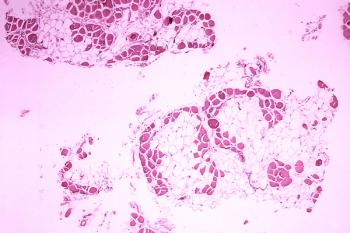
Similar to the phase 2 MoveDMD trial, the phase 3 POLARIS trial will share the same patient population and functional endpoints.

Data from the Alcyone MEMS Cannula (AMC), which can intratumorally administer the oncolytic adenovirus, may be an effective diffuse intrinsic pontine glioma (DIPG) treatment, according to recently presented data.

Skyhawk Therapeutics and Celgene Corporation have entered into a 5-year partnership to discover, develop, and commercialize small molecule treatment options for patients with neurological diseases.
CLR 131 was granted an orphan drug designation by the US Food and Drug Administration (FDA) for the treatment of Ewing’s sarcoma, a rare pediatric cancer.

Stay up-to-date on the latest rare disease news by reading the top 5 articles of the week.

Morie Gertz, MD, discusses a new treatment for hATTR amyloidosis patients, inotersen, as it makes its way towards FDA approval.

Researchers at Penn Medicine have found patients with more severe forms of neurodegenerative diseases possess more co-pathologies.
Dr Meletios A. Dimopoulos, discusses the use of ibrutinib combined with rituximab for the treatment of patients with Waldenström macroglobulinemia.

Updated phase 1 data assessing indoximod plus front-line radiation and maintenance chemotherapy for the treatment of pediatric patients with DIPG proves promising.
Researchers from UT Southwestern Medical Center have identified 29 genes thought to contribute to rhabdomyosarcoma using the iExCN algorithm, a novel hybrid technology.
If approved, the therapeutic will be the first in a new class of medicines.
A new drug under development for the treatment of paroxysmal nocturnal hemoglobinuria has been shown to be beneficial in participants enrolled 2 ongoing phase 1b trials.

Two phase 3 studies will examine the potential for 2 compounds to be used as part of a triple combination modulator therapy for cystic fibrosis.

A recent phase 1 study evaluating ARO-AAT for the treatment of a rare genetic liver disease associated with alpha-1 antitrypsin (AAT) deficiency boasts positive initial clinical data.
Fanconi anemia has inspired Stanford researchers to develop a new test capable of detecting aldehyde in blood samples.
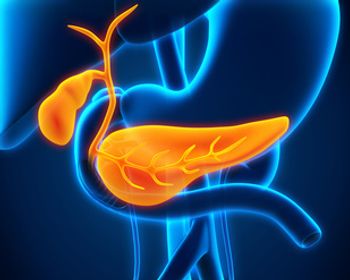
New study finds that half of all young children with PFIC will need a liver transplant before age 10.
Teleconsulting technology through the European Network for Rare Adult Solid Cancer (EURACAN) will better help rare adult solid cancer patients achieve appropriate diagnoses and treatments.

New Addison's Disease Information System (ADIS) device assists Addison disease patients and providers by providing access to web-based clinical management information.

Researchers find that JAK inhibitors used to treat myelofibrosis may actually lead to the development of aggressive lymphomas.
The FDA has granted Fast Track Designation for Cyprium Therapeutics’ CUTX-101, developed for the treatment of certain patients with classic Menkes disease.

Stay up-to-date on the latest rare disease news by reading the top 5 articles of the week.

The FDA has cleared commencement for Retrotope’s open-label phase 2/3 clinical trial of its investigational drug RT001 to evaluate its efficacy and safety in patients with infantile neuroaxonal dystrophy (INAD).