


























































Stay up-to-date on the latest rare disease news by reading the top 5 articles of the week.
Stay up-to-date on the latest rare disease news by reading the top 5 articles of the week.

Researchers have discovered that a gene may be linked to neuromyelitis optica, a highly rare disease known to lead to blindness and paralysis.

The FDA has approved ivosidenib tablets for the treatment of adult patients with relapsed or refractory acute myeloid leukemia who have a specific genetic mutation.
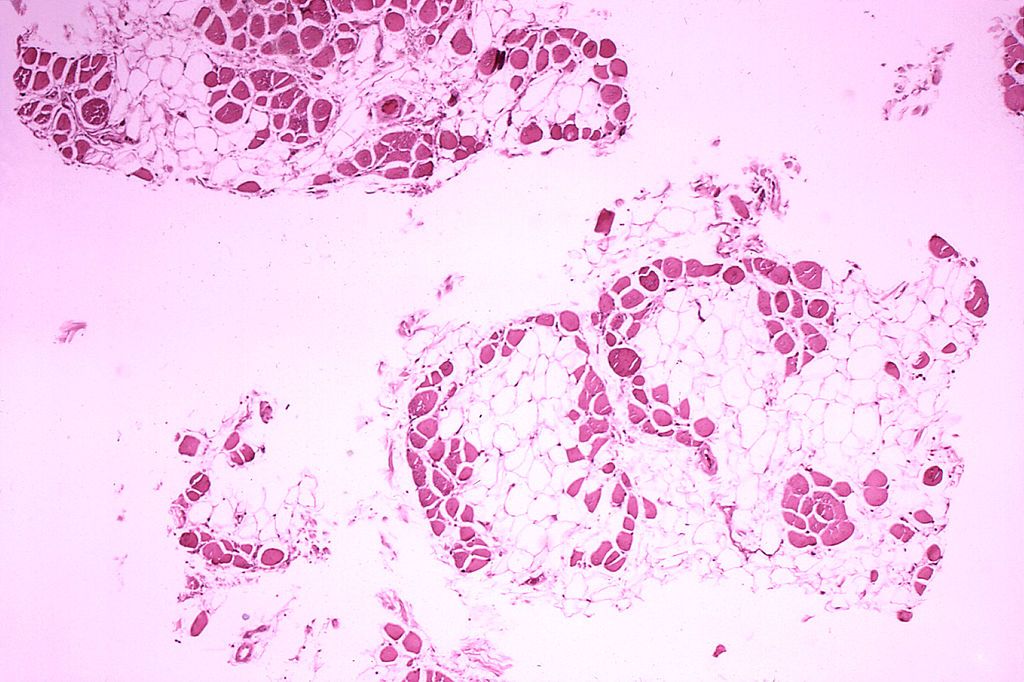
The US Food and Drug Administration (FDA) has granted an orphan drug designation to Corbus Pharmaceuticals Holdings, Inc’s lenabasum for the treatment of dermatomyositis.

The US Food and Drug Administration (FDA) has granted fast track designation to galinpepimut-S (GPS) for the treatment of multiple myeloma.
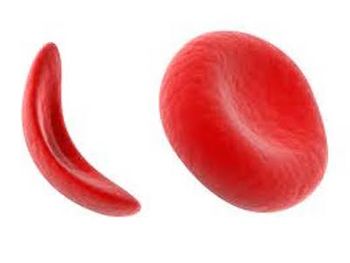
New findings suggest that a specific hemoglobin production protein could be a target for therapy in sickle cell disease or beta-thalassemia.
The FDA has granted a breakthrough therapy for atezolizumab Tin combination with bevacizumab for the treatment of advanced or metastatic hepatocellular carcinoma.

Researchers have identified a unique mutation in a deceased transthyretin (TTR) amyloidosis patient, which sheds light on the disease and may help identify new targets for treatment.
The FDA has granted an orphan drug designation to Asceneuron SA for ASN120290, for the treatment of progressive supranuclear palsy.
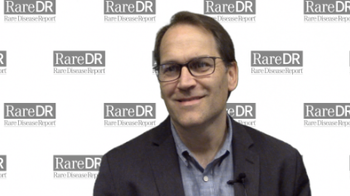
E. Anders Kolb, MD, emphasizes the difference between pediatric and adult cancers and the need to develop new treatments developed specifically for children.

Researchers from the Children’s Research Institute are working on the development of personalized CRISPR-Cas9 genome editing therapeutics for rare diseases, such as Pompe disease.

A phase 3 trial evaluating the use of oral ganaxolone in children and young adults with CDKL5 Deficiency Disorder has been initiated.

In a new study, Australian researchers present findings on how a simple blood test may reveal which cases of head and neck cancers will spread to other organs.
The FDA and EMA’s Committee for Orphan Medical Products granted an orphan drug designation to INZ-701 for the treatment of ENPP1 deficiency.

Researchers at Baylor College of Medicine find that mutations in the gene TRAF7 are associated with a multisystem disorder presented by 7 patients.

Pivotal clinical trial, CONNECT-FX, commences to evaluate CBD gel as a treatment for fragile X syndrome.
Pauline Funchain, MD, discusses the use of multiplex germline testing for rare diseases and cancers and explains the benefits of uncovering genetic factors.
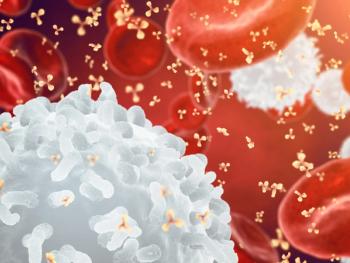
Study performed by researchers at Juntendo University reveals molecular mechanisms that trigger CALR-mutant myeloproliferative neoplasms (MPNs).

More treatments are needed for ALS, beyond the available riluzole and edaravone.

A recent study provides the first large-scale evidence that the cost of care for some rare pediatric skin conditions can potentially be reduced while achieving the same outcomes.

Stay up-to-date on the latest rare disease news by reading the top 5 articles of the week.
The FDA has approved the first drug indicated for the treatment of smallpox.

The phase 3 trial evaluating ZX008 as a treatment for Dravet syndrome met its primary endpoint.

AbbVie has submitted a supplemental new drug application to the FDA for venetoclax to be used in combination with HMA or LDAC for the treatment of AML patients who are ineligible for intensive chemotherapy.
The FDA has granted orphan drug designation to Acceleron Pharma Inc for its product, ACE-083, for the treatment of facioscapulohumeral muscular dystrophy (FSHD).