
























































The FDA has granted an orphan drug designation to MeiraGTx Holdings Plc’s AAV-CNGA3 for the treatment of achromatopsia caused by mutations in the CNGA3 gene.

Orphan Drug Designation Granted to Bronchiolitis Obliterans Treatment, OSP-101

Acebilustat Reduces Frequency of Pulmonary Exacerbations in Cystic Fibrosis Patients
The FDA has granted an orphan drug designation to MeiraGTx Holdings Plc’s AAV-CNGA3 for the treatment of achromatopsia caused by mutations in the CNGA3 gene.

Stay up-to-date on the latest rare disease news by reading the top 5 articles of the week.

The FDA has approved migalastat (Galafold), the first oral medication for the treatment of adults with Fabry disease.

The FDA has approved patisiran infusion for the treatment of peripheral nerve disease caused by hereditary transthyretin-mediated amyloidosis in adult patients.

A new study has found that patients living with alkaptonuria, a highly rare genetic disease, can halt and partially reverse some symptoms with the drug nitisinone.

Investigators find boys treated with alkylating agents or with hydroxyurea for sickle cell disease resulted in a significant reduction in spermatogonial cell counts, suggesting that these agents can affect fertility.

Diacerein 1% ointment (CCP-020) received a fast track designation from the FDA for the treatment of epidermolysis bullosa simplex.
Krystal Biotech’s KB105 has received an orphan drug designation by the FDA for the treatment of patients with transglutaminase 1 deficient autosomal recessive congenital ichthyosis.

The FDA has granted an orphan drug designation to NSI-189 for the treatment of patients with Angelman syndrome.

Mutations in the MARK3 gene has been identified as the responsible culprit for pediatric blindness caused by a recessive genetic disorder.
The FDA has approved mogamulizumab-kpkc (Poteligeo) injection for intravenous use for the treatment of adult patients with relapsed or refractory mycosis fungoides or Sézary syndrome after at least 1 prior systemic therapy.

The FDA granted an orphan drug designation to Alector’s AL001, a human recombinant monoclonal antibody, for the treatment of patients with frontotemporal dementia.

The FDA’s Antimicrobial Drugs Advisory Committee voted 12 to 2 in favor of the safety and effectiveness of ALIS for adults with NTM lung disease caused by MAC.

The FDA has approved lumacaftor/ivacaftor to include use in children ages 2 through 5 years with cystic fibrosis (CF) who have two copies of the F508del-CFTR mutation, making it the first medicine approved to treat the underlying cause of CF in this population.
The lack of higher reported mortality rates in states with a greater proportion of black residents suggests underdiagnosis of amyloidosis, including cardiac forms of the disease, in many areas of the United States.

The US Food and Drug Administration (FDA) has granted a rare pediatric disease designation to Prometic Life Sciences Inc.’s PBI-4050 for the treatment of Alström syndrome.
The FDA has granted an orphan drug designation to Pliant Therapeutics, Inc’s anti-fibrotic lead compound, PLN-74809, for the treatment of patients with idiopathic pulmonary fibrosis.
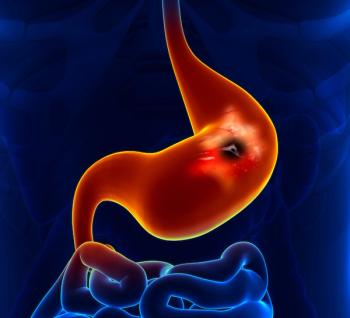
The US Food and Drug Administration (FDA) has granted an orphan drug designation to Alteogen Inc.’s ALT-P7 for the treatment of patients with gastric cancer.

Dr. Inga Hofman Zhang from the University of Wisconsin School of Medicine provides an update on treating MDS in children.

Dr. Naval Daver from MD Anderson Cancer Center talks about the relationship between MDS and AML and discusses new and novel treatments for both diseases.

Dr. Antonio Risitano, a hematologist from the University of Naples, discusses the most current thinking on PNH and its treatment.

Dr. Eric Padrone, a hematologist from H. Lee Moffit Cancer Center, discusses current thinking on MDS/MPN overlap disorders and myelofibrosis.

Dr. Timothy Olson, a pediatric hematologist at Children's Hospital of Philadelphia, discusses the most current thinking on the treatment of children with aplastic anemia.

The FDA has granted a fast track designation to Nohla Therapeutics’ dilanubicel (NLA101) for patients with high-risk hematologic malignancies receiving an allogeneic cord blood transplant.

Investigators have discovered a rare cell type, referred to as Foxi1+pulmonary ionocyte, which is thought to be a key player in the biology of cystic fibrosis.