


























































New research contradicts previous studies supporting the use of inositol supplementation in premature infants at risk for an eye condition that could lead to blindness.
New research contradicts previous studies supporting the use of inositol supplementation in premature infants at risk for an eye condition that could lead to blindness.

Brentuximab vedotin (ADCETRIS, Seattle Genetics) is approved in combination with chemotherapy for adults with previously untreated systemic anaplastic large cell lymphoma (sALCL) or other CD30-expressing peripheral T-cell lymphomas (PTCL), including angioimmunoblastic T-cell lymphoma and PTCL not otherwise specified.
The investigators hope to gain FDA approval on the treatment so they can treat more patients.

A new, fundamental biological process in CLN8 disease, a form of Batten disease, has been discovered by a team of investigators from Baylor College of Medicine.

Treatment with crizanlizumab reduced pain in patients with sickle cell disease who were experiencing vaso-occlusive crisis.

Aquestive Therapeutics’ clobazam (SYMPAZAN) oral film has been approved by the US Food and Drug administration (FDA) for the treatment of seizures associated with Lennox-Gastaut syndrome (LGS) in patients aged 2 years or older.
The use of marijuana for patients with multiple sclerosis can have a limited effect on symptoms such as spasticity, pain, and bladder dysfunction.

The chip was developed using cells from patients with and without ALS.

Robert Chen, MD, and Hodgkin’s lymphoma patient, Jeremy Hernandez, speak on the challenges of receiving and treating a rare cancer diagnosis in young adults.
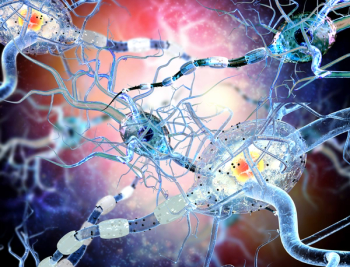
The brain’s lymphatic vessels may offer a new way to treat multiple sclerosis.

When successful, these relationships provide valuable insights to support strategies in many areas, including planning for clinical research, patient recruitment and education, reimbursement, access, compliance, and other areas.

Treating the blood clotting disorder thrombotic thrombocytopenic purpura might be possible through the use of a therapeutic enzyme.

Here’s a round-up of recent designations granted by the FDA to products developed to treat rare diseases.

Men with Fabry disease develop white matter lesions much quicker than their female counterparts.

A team of investigators has found that collaborative efforts among several leading medical institutions have helped increase the study of new medications for myelodysplastic syndromes (MDS).

Interferon‐α2 and ruxolitinib combination therapy shows promise in treating myeloproliferative neoplasms, according to recent preliminary findings.

Stay up-to-date on the latest rare disease news by reading the top 5 articles of the week.

From August 2014 to September 2018, a total of 386 confirmed cases of acute flaccid myelitis across the United States has been confirmed by the CDC.

Since AHC is a rare neurological disease, finding a diagnosis can be a harrowing experience.

A panel of members from the US Food and Drug Administration (FDA) sat down to discuss the influential factors and projective trajectory of the rare disease pipeline.

RT001 has demonstrated arrest of disease progression in 2 patients with infantile neuroaxonal dystrophy.

Members from the FDA came together to participate in an informative session and discuss the traditional pathway and future outlook of clinical trials in rare diseases.

Ellen Sigal, PhD, discusses how she helped make the concept of the expedited FDA development program a reality.

Karlyne Reilly, PhD, discusses the Rare Tumor Patient Engagement Network and the importance of getting patients with rare conditions involved in cancer research.

The FDA has granted a priority review to combination therapy, ibrutinib/obinutuzumab, for the treatment of previously untreated adult patients with chronic lymphocytic leukemia or small lymphocytic lymphoma (CLL/SLL).