
As doctors have more tools to treat patients with high cholesterol the American College of Cardiology released a new consensus statement to give guidance on potential best practices for non-statin therapies like PCSK9 inhibitors.
As doctors have more tools to treat patients with high cholesterol the American College of Cardiology released a new consensus statement to give guidance on potential best practices for non-statin therapies like PCSK9 inhibitors.
At the 2015 meeting of the American College of Cardiology PCSK9 inhibitors like Praluent were moving closer to approval but were not there yet. Since then they have been approved and begun to be introduced to the public.

The American College of Cardiology's outgoing President Kim A. Williams, MD, went vegan in 2003 and never looked back. He talks about the diet's power to heal and how being the ACC's first vegan leader played out.
As Xarelto is used in practice by more doctors researchers at Janssen Pharmaceuticals are getting a better sense of its efficacy beyond the extensive clinical trials it underwent.
For those how enter the field of genetic testing there are many challenges along the way, starting with finding the right training program through using that training in very difficult situations.

Hopes that losmapimod would benefit patients after a STEMI heart attack were not borne out by a study reported today at the American College of Cardiology's meeting in Chicago, IL.

Treating atrial fibrillation by ablation is equally effective whether done by freezing or burning small parts of the heart.
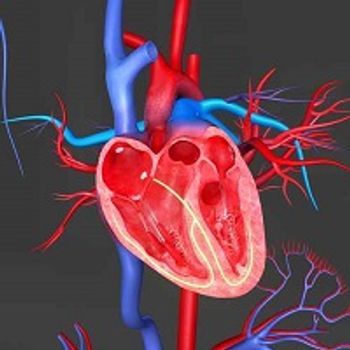
A newer version of a valve system used in transcatheter aortic valve replacement has proved superior to surgery in elderly patients. The study was released a day after a report on the older device showed it was as good as surgery.
Trans Aortic Valve Replacement, a less invasive procedure than open heart surgery, offers about the same benefits but slightly different risks, researchers reported today.
Despite corrective surgery known as the Fontan procedure, children who need that procedure have ongoing deficits.

Microcalcifications that can show up on mammograms can also predict a woman's risk of heart disease. MD Magazine spoke to Khurram Nasir, MD, co-author of an editorial urging physicians and their specialty societies to put this finding into practice.

Trips to the emergency department (ED) can range from the most benign to the most serious of reasons.
As researchers focus on finding treatments for progressive multiple sclerosis there are a number of potential angles to study to find the best treatment options possible. One potential area is the role of B cells in the treatment process.
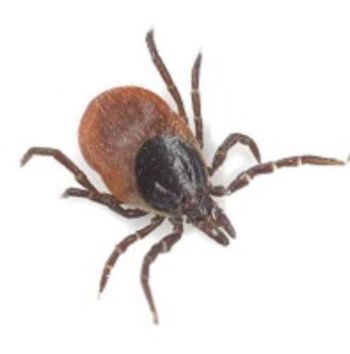
Canadian researchers found that a small percentage of MS patients tested positive for Lyme disease.

Francisco Sylvester, MD, UNC School of medicine emphasized the importance of applying study findings to early interventions in treatment.
Study results show that patients with ulcerative colitis who undergo hematopoietic stem cell transplantation (HSCT) had higher rates of opportunistic infections and inpatient mortality compared to transplant patients who did not have UC.

Russell Cohen, MD, director of the Inflammatory Bowel Diseases Center at The University of Chicago Medicine continued to discuss the relevance of healthcare economics specific to IBD at the 2015 Advances in Inflammatory Bowel Diseases.

Sometimes when a patient with epilepsy has a seizure they may not even recognize it for any number of reasons. A device no bigger than a piece of gum which is being developed could help in that effort going forward.

Tetramethylenedisulfotetramine, a banned yet still available rat poison, is considered a potential terrorist weapon, largely because there is no specific antidote. Poisoning causes status epilepticus and death. Perampanel may be an antidote, researchers found.

A new treatment option for deep vein thrombosis (DVT) and pulmonary embolism (PE) was recently introduced, but it looks like old habits die hard when it comes to prescriptions.
Christine Cserti-Gazdewich, BSc, MD, Blood Transfusion Laboratory, Toronto General Hospital, and colleagues wanted to address the burgeoning concern that the longer blood units are stored, the likelier it may be to introduce harm or simply not work as well.

Researchers are looking at how cannabidiol interacts with traditional anti-seizure drugs. It appears to have a synergy with one but an antagonistic effect with others.
Seth Karol, MD, St. Jude's Children's Research Center and his team focused their research on the 10-20 age group, the "sweet spot" where the bones are still finishing up development and thus going to be susceptible to therapy.

Romiplostim has been indicated for adults with chronic immune thrombocytopenia (ITP), but what about for kids? A phase three study examined the notion during a presentation at the 57th American Society of Hematology Annual Meeting (ASH 2015) in Orlando, Florida.

Treatment for irritable bowel syndrome (IBS) is significantly more expensive when treated in secondary care settings than it is when treated in primary care settings -- without a corresponding increase in treatment effectiveness.
In cardioverting a patient with atrial fibrillation, physicians accidentally overstimulated an implanted vagal nerve stimulator, harming the patient.
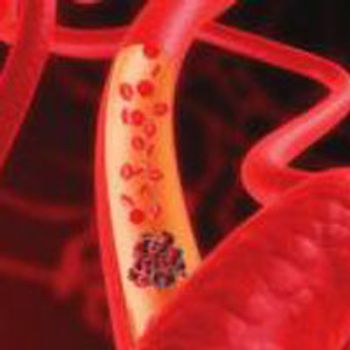
Patients suffering from the most common hereditary bleeding disorder von Willebrand disease (VWD) also undergoing surgical procedures are recommended specific treatment methods to manage perioperative anticoagulation.

A considerable amount of research has been done looking at how liver disease can progress in patients, but a recent study looked at possible regression in conditions like cirrhosis and fibrosis.

Obese people are generally less healthy than those of normal weight, but that should not be a barrier to liver transplantation, researchers said at the 2015 Liver Meeting (AASLD) in San Francisco, CA.

Donor livers are scarce, donated organs are precious, and transplant surgeons make the final call on whether to transplant. When the question of whether to give a liver to a patient who uses marijuana, drinks too much alcohol, or even smokes tobacco comes up, the issue gets tricky.