
One of the biggest challenges cardiologists face is treating patients with atrial fibrillation who are undergoing percutaneous coronary intervention, particularly when it comes to prescribing anticoagulants.
One of the biggest challenges cardiologists face is treating patients with atrial fibrillation who are undergoing percutaneous coronary intervention, particularly when it comes to prescribing anticoagulants.
An analysis of thousands of patients in Germany taken from a national registry found interventional procedures more dangerous than surgery for severe symptomatic aortic valve stenosis. But there may have been confounding factors.
Systemic atherosclerosis causes peripheral artery disease, and these patients are at risk of cardiovascular death and stroke.

The mysterious sudden deaths of apparently healthy people, some young and engaged in sports, could be explained by mutations uncovered by a Canada research team.

Are healthcare workers who wear glasses or contacts more likely to get colds and flu? Researchers at Johns Hopkins report on a study with intriguing findings.

In a sign of the growing global problem of drug resistance, researchers from Ohio reported a steady increase in the percentages of cases of gonorrhea that did not respond to the usual antibiotics.

Could the interaction of Zika virus with similar flaviviruses like Dengue and Chikungunya be the reason why Zika virus has turned so virulent after decades of being a minor illness?
The mortality rate of AMD patients who received a bevacizumab injection 3 or 6 months after stroke was, in the study’s words, “worrying†compared to the rate of those who did not.
Explaining diabetic macular edema to patients can be a challenge in itself. Going further to explain the injection process can take even more care for eye care professionals.
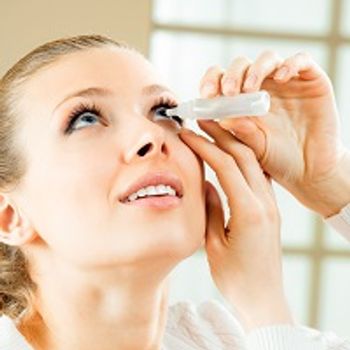
Difluprednate, a steroid stronger than prednisolone, was recently tested for treatment of macular edema and vitritis in cases of posterior/intermediate uveitis, and its impact was noticeable.
At The North American Menopause Society 27th Annual Meeting (NAMS) in Orlando, Florida, Janet Carpenter, PhD, RN, Indiana University discussed her latest research in nonhomonal alternatives for women experiencing hot flashes including a clinical hypnosis protocol.

At The North American Menopause Society 27th Annual meeting (NAMS), Holly Thomas, MD, MS, University of Pittsburgh, discussed her program of research mainly focuses on how sex changes for women as they move through midlife and into older age.
As Peter Schnatz, DO, Reading Health System, completes his term as President of NAMS, he reflected on the initial goals he'd had before assuming his position. His primary initiative was to bring the best care they could to menopausal women. Schnatz said they'd been working really hard on reopening the conversation of the use and utilization of hormonal therapy.
Peter Schnatz, DO, Reading Health System, current President of The North American Menopause Society (NAMS), spoke about his presidential address, which discussed breast arterial calcification (BAC) and the association with risk factors and atheroscleratic cardiovascular disease.

There is limited data in this population, but some research says that women shouldn't be starting the therapy after the age of 60. However, hormone therapies offer bone protection, which opens the door discussion on usage.

Do osteoporosis medications impact sexual function? That's what researchers aimed to find in a study presented at The North American Menopause Society 27th Annual Meeting (NAMS 2016) in Orlando, Florida.

Geography, age, and time are factors that contribute to the likelihood that a woman is being treated for menopause, according to new research out of Pfizer Inc.

When a non-profit AIDS advocacy group offers as many programs as Gay Men's Health Crisis (GMHC) efficiency is a challenge. The organization relies on three management practices to remain efficient and audit-ready, particularly data-driven administrative supervision.

At the Heart Failure Society of America's 20th Annual Scientific Meeting, Pieter Muntendam, MD, scPharmaceuticals, discussed his work in developing a hospital strength treatment option for patients with fluid overload using the well known drug furosemide, now for subcutaneous administration.

While there's no yet proven treatment for heart failure with preserved ejection fraction, the team is really aiming to understand the pathophysiology to design better targeted treatments.

Study results presented at the 2016 Heart Failure Society of America Scientific Meeting show that treatment with omecantiv mecarbil improved cardiac function and quality of life in patients with heart failure.

More than 40% of US AIDS/HIV cases are in San Juan, Puerto Rico, but economic turmoil there is making it hard to fight the epidemic.
For 30 years, an outreach group in Oakland, CA has been winning the confidence of prostitutes as the first step in helping them be healthy and HIV-free. California Prostitutes Education Project representatives offered tips in a workshop.
At the moment the best way to get a diagnosis of multiple sclerosis is through a brain scan. A team in Tennessee is working to improve that with a blood test that could find the condition sooner allowing for treatment to begin faster.
While neurologists may be able to successfully diagnose progressive multifocal leukoencephalopathy it may take a more specialized health care professional to effectively treat the condition.
It has been a few years now since Tecfidera was approved by the US Food and Drug Administration. In that time there has bee continued research which has shown positive results for patients.

Pain management is everyone's job. It's a human problem.

Oxycodone is one opioid option for patients with chronic pain and other conditions. The drug, however, has not been extensively studied in older patients.

Different types of pain respond to different medications; so a collaborative team across the United States and United Kingdom looked at how the Chronic Pain Questionnaire (CPQ) can assist in making those important treatment decisions.
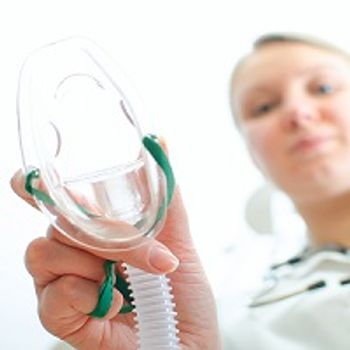
There’s many benefits to using nitrous oxide for analgesia – which is why it’s a staple for dentists. Dubbed “laughing gas,†the tasteless, colorless gas has proven to be safe and effective for both adults and children.