Brianna Norton, DO, MPH, Albert Einstein College of Medicine/Montefiore Medical Center, Bronx, NY, talks about challenges of Hepatitis C treatment.
Brianna Norton, DO, MPH, Albert Einstein College of Medicine/Montefiore Medical Center, Bronx, NY, talks about challenges of Hepatitis C treatment.
Brianna Norton, DO, MPH, Albert Einstein College of Medicine/Montefiore Medical Center, Bronx, NY, talks about the hottest topic in infectious disease.
Tom Chiller, MD, MPH, Mycotic Diseases Branch, Centers for Disease Control and Prevention, talks about treatment options for Candida auris and multi-drug resistant treatment options.
Tom Chiller, MD, MPH, Mycotic Diseases Branch, Centers for Disease Control and Prevention, discusses Candida auris.
The sc2Wear Infusor allows the opportunity to deliver furosemide subcutaneously and at home, to keep HF patients in need of diuresis out of the hospital.
In response to patient concerns about dosing options and duration of effect, researchers at Shire Pharmaceuticals created Mydayis for the treatment of ADHD symptoms.
Psychedelics like psilocybin have been receiving attention from psychiatrists on and off for decades. Here's what we've learned, and what's on the horizon.

The ROPA-DOP trial showed that low-dose dopamine had an insignificant impact on patient renal function, nor a significant trend toward greater diuresis.
Scott Solomon, MD, and Alvin Chandra, MD, discuss the findings of the PARADIGM-HF and QoL trial, and sacubitril's effect on HF patients quality of life.
Parental rejection, abandonment, physical and sexual abuse double the victim's rates of depression, inflammation, metabolic disorders and chronic medical illnesses.
Patients struggling with addiction can be difficult to treat. Following best practices can help simplify a complex process.
Lisa Rathman, MSN, of Lancaster General Hospital, discusses the benefits of subcutaneous furosemide in nursing homes and facilities outside the hospital.
Gregg Fonarow, MD; David Aguilar, MD; Rob Mentz, MD; and James Januzzi, MD, discuss the unexpected and exciting use of SGLT-2 inhibitors to treat heart failure.
Rob Mentz, MD, of Duke University Medical School, discusses the CANVAS trial and the pursuit of using SGLT-2 inhibitors to treat heart failure.
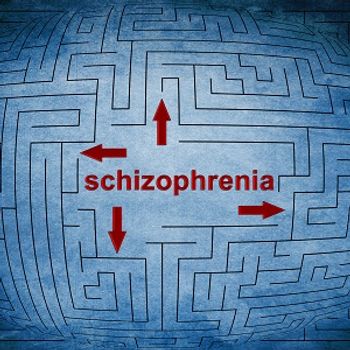
The drug showed improved symptoms across multiple doses in a 6-month study.
Doris Greenberg, MD, discusses the fine line between Asperger's Syndrome and Autism Spectrum Disorder.
Raj Maturi, MD, talks about the use of sirolimus in combination with aflibercept for patients with chronic AMD.
Rajeev Muni speaks about the 1-year results of a randomized trial comparing Pneumatic Retinopexy vs. Vitrectomy in the management of primary Rhegmatogenous Retinal Detachment.
ICON-1 plus ranibizumab effectively reduced CNV size and led to complete drying of the retina for some patients with wet AMD.
Intravitreal bevacizumab effectively lowered the risk of retinal detachment recurrence after primary pars plana vitrectomy.

Patients treated with C3F8 saw a superlative 84% release rate, according to study authors.
Human antibody may substantially reduce need for insulin in patients with T1D.
ODYSSEY DM-DYSLIPIDEMIA is 1 of 2 studies on alirocumab presented at ADA Scientific Sessions.
Boys who are overweight as children but normalize as young adults have the same risk of type 2 diabetes as men who were never overweight.
More than 3,000 original research presentations will be offered in a robust 5-day program.
BMS-986168 significantly reduces CSF free eTau.

An Italian team presented its research on the topic at the 2017 International Congress of Parkinson’s Disease & Movement Disorders Conference.

The study gauged elderly Parkinson's patients over a 5-year span.
Laxman Bahroo, DO, explains how no treatment has shown more efficacy for Tardive Dyskinesia against placebo than valbenazine (Ingrezza), and how its approval changes the scope of the movement disorder.
Dr. Kiki Chang sits down with MD Magazine and talks about the latest data on lurasidone.