
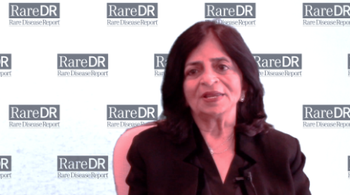
Wahida Karmally, MS, RD, CDE, explains the challenges and importance of diet in patients with familial chylomicronemia syndrome (FCS), how much fat can be eaten (and which kind), and the dangers of pancreatitis when too much fat is consumed.
Wahida Karmally, MS, RD, CDE, explains the challenges and importance of diet in patients with familial chylomicronemia syndrome (FCS), how much fat can be eaten (and which kind), and the dangers of pancreatitis when too much fat is consumed.
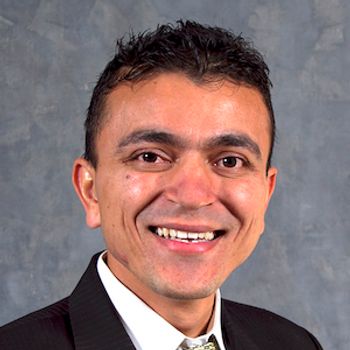
EpiFinder, a mobile health application, predicted either an epilepsy syndrome or alternative diagnosis with 86.8% accuracy.
If approved, therapy would be the first of its kind to target Glx for the treatment of bipolar depression.
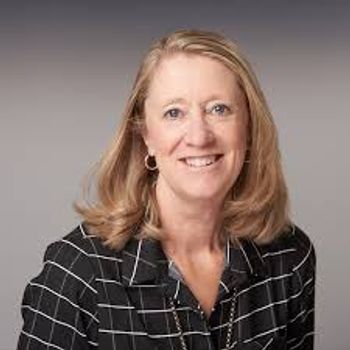
The mean level of anxiety has increased 5 points since 2017 on a 100-point scale, with Baby Boomers reporting a 7-point jump over the last year.

Abhimanyu Garg, MD, discusses the cofactors and concerns in FCS treatments.
Abhimanyu Garg, MD, indicates the importance of neonatal screening for familial chylomicronemia syndrome (FCS).
Women who continued using antipsychotic medications during pregnancy had an absolute risk of 4.2% to 12% of developing gestational diabetes.
History of psychiatric disorder, especially in fathers and brothers, is highly valuable information to identify women most at risk for postpartum psychiatric illness.

Patients that had their medication selection guided by the GeneSight pharmacogenomic testing were 50% more likely to achieve remission and 30% more likely to achieve treatment response.
Patients with cannabis and cocaine use disorder have different impulsivity profiles, especially with relation to differences in attentional impulsiveness.

Results demonstrate potential to address a significant unmet for more than 30% of those suffering from treatment-resistant depression.

John Greden, MD, discussed the challenges physicians face in diagnosing, identifying, and treating depression, and the populations that are still severely underserved.
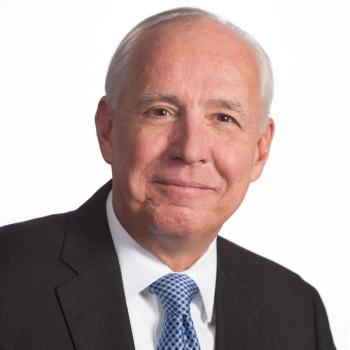
Darrell Kirch, MD, spoke at the APA’s annual meeting about the impact physician burnout has had and what can be done to address it and to improve clinician well-being.

Mayumi Okuda, MD, talked about what clinicians need to be doing and aware of in the identification of patients experiencing intimate partner violence.

Firearm use in the not guilty by reason of insanity population is more closely related to substance use and personality disorder than psychotic or mood disorders.
The associated PTSD comorbidities represent a significant public health problem that’s concomitant with increased disease burden and mortality.

The use of electroconvulsive therapy in patients with bipolar depression resulted in higher remission rates while showing similar response rates to unipolar major depression.
The algorithm is intended to help prevent mistakes caused by a slew of issues, from burnout at the end of a long day to overconfidence in decision-making.
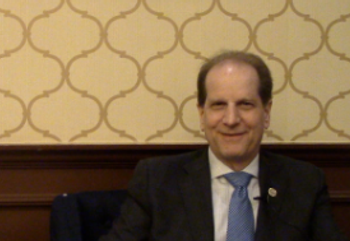
Alan S. Brown, MD, FNLA, FACC, FAHA is a Cardiologist at Advocate Lutheran General Hospital and the President-Elect of the National Lipid Association (NLA). While at the NLA’s 2018 Scientific Sessions in Las Vegas, Nevada, he explained the connection between hypertriglyceridemia and FCS.
Alan S. Brown, MD, FNLA, FACC, FAHA, reviews emerging treatments and research for familial chylomicronemia syndrome (FCS).
Nanophotoswitches have demonstrated promising results in rats. Will they one day improve transduction in damaged eyes, and restore lost vision in humans?

The burden of ophthalmic disease is rising. How can ophthalmologists rise to meet it?
Intravitreal aflibercept injection showed early signs of activity for patients with moderately severe to severe nonproliferative diabetic retinopathy.
James J. Maciejko, MS, PhD, FACC, stresses the importance of rare disease awareness among physicians for proper diagnosis and treatment.
This past year, James A. Underberg, MD, MS, FACPM, FACP, FASPC, FNLA, President of the National Lipid Association (NLA), outlines familial chylomicronemia syndrome (FCS) and the need for treatments, which may not be far.
75% of patients with newly-diagnosed, treatment naïve DME received no treatment within 1 year of diagnosis.
At the National Lipid Association's (NLA) 2018 Scientific Sessions in LAs Vegas, NV, Wahida Karmally, MS, RD, CDE, explains the importance of nutrition and support in patients with familial chylomicronemia syndrome (FCS) and the emotional stress a strict, regimented diet can have on patients.

The novel immune-based treatment IMCgp100 demonstrated a 1-year survival rate of 73% for patients with heavily pretreated, advanced uveal melanoma.

Voretigene neparvovec demonstrated sustained improvements in vision for patients with biallelic RPE65-mutation–associated inherited retinal disease.
Outcomes for patients with nAMD in the real-world were inferior to randomized controlled trials due to significant undertreatment.