
Although there are now effective treatments for several genotypes of hepatitis C, certain patient groups continue to present challenges for the pharmaceutical and medical communities. Work is being done to overcome those challenges around the world.
Although there are now effective treatments for several genotypes of hepatitis C, certain patient groups continue to present challenges for the pharmaceutical and medical communities. Work is being done to overcome those challenges around the world.

The high costs of direct-acting antivirals to treat hepatitis C infection is no secret, but neither is the fact that the drugs are cost-effective. Pennsylvania researchers found insurers were lagging in approving payment for the drugs in their four-state region, with Medicaid programs the worst offenders.

The Framingham Heart Study has been one of the most in depth studies in the field of cardiology and medicine as a whole. A recent portion of the study looked at the impact of carbon monoxide exhalation and its role in patient health.

Patients with persistently active systemic lupus erythematosus (SLE) benefit from repository corticotropin injection (RCI).

The Fat Fibre Sodium Score was created using the top three most predictable cardiovascular risk-reducing food categories and offers a quick, easy way to evaluate nutrition changes during post-cardiac rehabilitation.

The significant others of patients undergoing implantable cardiac defibrillators (ICDs) have long been concerned about continuing sexual activity following the implantation.

While clinicians should always encourage their patients to follow their medication schedules, it proved not to be a significant factor in the outcomes in patients with asthma taking omalizumab, according to a poster session at the 2015 American College of Allergy, Asthma, and Immunology Annual Scientific Meeting (ACAAI 2015) in San Antonio, Texas.

When most people think of vaccines their first thought is often the flu shot. For many patients, especially older patients there are other conditions to consider as well.

Asthma presents its own set of challenges, as does chronic obstructive pulmonary disease (COPD). When characteristics from both merge together it causes asthma-COPD overlap syndrome (ACOS).

Atopic dermatitis, sometimes referred to as baby eczema, affects more than three million infants in the United States every year. While there are no established preventive measures, researchers have been making strides in coming up with effective treatment strategies.

If one child is allergic to a specific food, then their brother or sister is probably going to have the intolerance as well, right? Not necessarily.

A new tool for assessing the risk of thromboembolic events in patients with atrial fibrillation performed better than the existing standard in a large retrospective analysis. ATRIA risk scores were less likely than CHA2DS2-VASc scores to mistakenly characterize patients as "high risk" and, therefore, to lead to the overuse of anticoagulation.

Asthma is a common problem in the medical community and even while there are many treatment options on the market, controlling symptoms of the condition continues to be an issue for patients and doctors alike.

With the number of patients diagnosed with COPD continuing to grow new treatment options are also needed to help these patients maintain a sustainable quality of life.

While the days of the solo practitioner hanging a shingle in their hometown winds to an end the healthcare community is now turning its attention to how teams can provide the best level of care to patients.

At the annual CHEST conference in Montreal one of the sessions looked at new guidelines for treating patients with sepsis in emergency medical care.

Healthcare providers are supposed to be one of the top advocates for no smoking, right? Well the amount of physicians still lighting up cigarettes is prevalent.
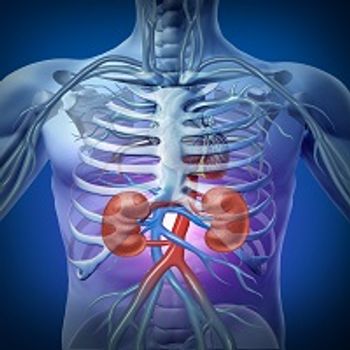
Hyperkalemia can be fatal and there is a serious need to provide improved treatment options.

C. Difficile is big. It has surpassed MRSA as the most common hospital acquired infection.

Could treating patients with irritable bowel syndrome (IBS) be as simple as changing their diet?

Pennies, chicken bones, and dishwasher cleaning powders. Gastroenterologists who work at hospitals are likely to get called in when people either accidentally or purposefully swallow something they should not. At the American College of Gastroenterology Annual Scientific Meeting in Honolulu, a physician at NYU Langone Medical Center offered a treatment primer.
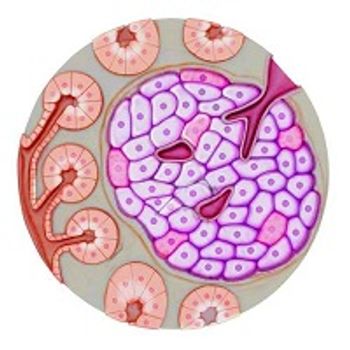
Pancreatic cancer is hard to cure and even diagnosing it is challenging. Among the eagerly awaiting research topics to be presented at the American College of Gastroenterology Meeting in Honolulu, Hawaii are reports on new developments in detecting malignancies.

There are many factors that patients diagnosed with multiple sclerosis need to consider when managing their condition. While the physical symptoms can be the highest priority, quality of life is an area which is gaining greater recognition in the field.

More than three-quarters of intravenous drug users and Baby Boomers tested for hepatitis C were positive and unaware they were infected, according to results of a study published in the journal Annals of Emergency Medicine.

Just as overactive bladder issues and constipation are an issue for patients with multiple sclerosis, mirabegron is a popular medication in the general population for managing these issues. At the NYU Langone Medical Center Comprehensive Care Center patients receive treatment from a wide variety of healthcare professionals in order to get the best results possible for their condition.

Optic neuritis is linked to multiple sclerosis and a treatment to help patients with this condition continues to work its way through the research and approval process. Unlike other areas of multiple sclerosis treatment there is no singular way to measure or determine cognitive impairment in patients.

Air pollution affects liver health and can cause fibrosis, according to findings published in the Journal of Hepatology.

Although there was widespread circulation of influenza viruses that were antigenically drifted from the vaccine virus, last year's flu vaccine appears to have been effective in preventing severe illness requiring hospitalization.

In the UK's National Health Service, physicians are "bare below the elbows" meaning they wear scrubs and not white coats, dress shirts and ties. At ID Week, in an entertaining but serious debate, two infection control specialists tackled the question of whether US physicians should also go bare.

ID Week is the most relevant and important meeting for ID as a whole.