
Jose Nicolau, MD, PhD, discusses the results of his subanalysis of the VESALIUS-CV trial, examining secondary rather than first MACE.
Jose Nicolau, MD, PhD, discusses the results of his subanalysis of the VESALIUS-CV trial, examining secondary rather than first MACE.
Diana Isaacs, PharmD, and Natalie Bellini, DNP, unpack tirzepatide's new CV indication and the STAREE statin trial in older adults.
A principal healthcare consultant and study co-author shares his own decade-long path to an IgA nephropathy diagnosis and transplant.
Peter Lio, MD, discusses SKiN Angels dermatology investing and AI's growing role in patient care and clinician education.

A study found 4 mA multichannel tDCS achieved a 75% MDD response rate versus 45% for conventional 2 mA stimulation, Mohammad Ali Salehinejad, PhD, says.
Why patients with IgA nephropathy want to understand their disease, not just follow instructions.
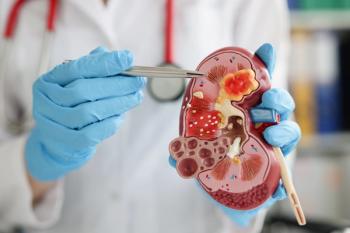
ESC and ERA issue the first dedicated guideline on managing cardiovascular disease alongside chronic kidney disease, via a “STAMP on CKD” framework.

Catch up on any stroke-related news you may have missed during 4 action-packed days of presentations and trial readouts at ESC 2026.

Research suggests wildfire smoke does more than irritate the airways in the moment; it may worsen allergic disease for months afterward.
David Oberlin, MD, on why trial enrichment, not mechanistic superiority, likely explains differing radiographic results in PsA drug trials.
A survey of patients with IgA nephropathy shows how nonspecific symptoms and long referral waits delay diagnosis by up to two years.
Lugogo, ofUniversity of Michigan, discusses how oral STAT6 degraders like KT-621 could expand biologic-like asthma treatment beyond highest severity.
A recap of 7 standout interviews from LEADderm 2026, covering molluscum care, HS pipeline data, precision medicine, and dermatology leadership.

Ankeet Bhatt, MD, MBA, discusses the effectiveness of text, email, and secure portal message reminders for encouraging patients to keep up with their treatment.
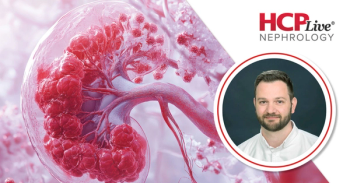
Alexander Combes, PhD, discusses how kidney organoids could be used to screen and repurpose drugs for acute kidney injury.

SWIFT accelerated Deep TMS resolved suicidal ideation faster than standard dosing, Owen Muir, MD, says.
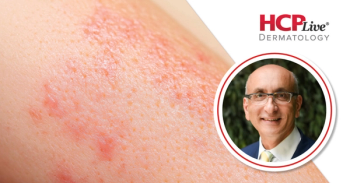
Leon Kircik, MD, on why an FDA-approved, at-home molluscum option changes practice, and what is exciting for him in dermatology.
Catch up on data from some of the most impactful trials presented at the European Society of Cardiology Congress 2026.
Human kidney organoids reveal why proximal tubule cells resist full recovery after AKI, aiding drug screening research.

Sharmila Dorbala, MD, MPH, discusses how this treatment and imaging strategy may lead to a diagnostic overhaul for patients with amyloidosis.

SPY003 cut histologic disease activity by 10 points at 12 weeks, completing proof-of-concept for Spyre's IBD combinations.
David T. Rubin, MD, on the screening tools, direct questions, and therapy choices behind IBD's three tiers of remission.

Deucrictibant XR reduced HAE attack rates by 83% versus placebo in the pivotal phase 3 CHAPTER-3 study across all 3 HAE types.
The FDA granted DT120 (lysergide) ODT Breakthrough Therapy designation for MDD, citing promising phase 3 Emerge data.
The FDA granted lonvo-z priority review for HAE, setting a PDUFA date of March 10, 2027 based on positive Phase 3 HAELO data.
Abbott's dual-energy PFA/RF ablation catheter met its primary effectiveness and safety endpoints in the 12-month FlexPulse IDE study behind its FDA nod.
Ross Levy, MD, on how Skin Angels invests in dermatology innovation and where he sees the field heading over the next 5 - 10 years.

Semaglutide was linked to fewer asthma attacks and COPD flare-ups than sulfonylureas, with no effect seen for other GLP-1 therapies.

Sciurba, of University of Pittsburgh, discusses full phase 3 OBERON and TITANIA results, including stronger responses in current smokers.
The oral STAT6 degrader achieved deep STAT6 suppression, up to 63% EASI reduction, and gains in asthma and rhinitis scores by week 4.