

































































The seismic shifts in mentality for allergy management and the strides made in immunotherapy have kept parents of children with allergies hopeful, but changes are still needed.
The seismic shifts in mentality for allergy management and the strides made in immunotherapy have kept parents of children with allergies hopeful, but changes are still needed.

These newly-updated parameters were a response by the ACAAI and the AAAAI to recent evidence that had become visible.

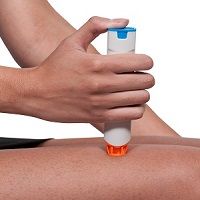
In this interview, Dr. Kim described his response to the FDA’s decision not to approve the intranasal epinephrine spray treatment for anaphylaxis and other severe allergic reactions.

The FDA's announcement requesting further study represents a step back in the process of 'neffy' becoming the first needle-free nasal spray epinephrine alternative.
This segment of Dr. Kim’s interview featured a discussion on the potential advantages and disadvantages of the new ARS-1 epinephrine nasal spray being considered by the FDA.
In a new interview with the HCPLive editorial team, Edwin H. Kim, MD, spoke about the new ARS-1 (Neffy) intranasal epinephrine spray for patients having Type 1 allergic reactions as well as the FDA's upcoming decision on the treatment.
This new research examined trends among adults with severe and recurrent anaphylaxis, and identified several major risk factors.

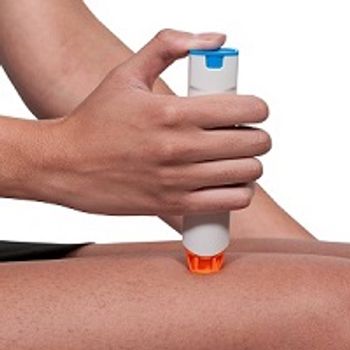
In phase 3 data presented at the AAAAI conference, an investigational intranasal epinephrine spray was found to have higher and more sustained pharmacokinetics than the standard reference product.

French researchers find that targeted allergy assessments may be needed in children with peanut allergies.

Dr. Mathias noted that investigators are continuing to determine if age plays a role in peanut allergy risk and sensitization.

Dr. Epstein provides updates on a joint study between members of AAAAI and the American College of Allergy on the relationship between epinephrine and post-immunotherapy injection waiting periods.

Urticaria and angioedema with oral mucocutaneous involvement were commonly labeled as anaphylaxis upon presentation.

The proportion of anaphylaxis episodes was higher in the cohort of patients with peanut allergies, compared to a control group of patients with non-peanut food allergies.
Data pooled from 5 trials show a consistent and manageable safety profile for continued treatment with PALFORZIA.

Cohen believes the emergency injection is not only cost-effective but the ideal treatment method for protecting vulnerable pediatric groups with allergies.
Cohen details some of the diagnostic criteria for anaphylaxis in pediatric populations, differences in symptoms among children and adolescents, and the virtues of epinephrine.

Prior to the investigation, peanut allergy was often linked to high rates of anaphylaxis, with its prevalence in children and adolescents surpassing that found in adult patients.

Investigators believe the ALDORADO trial could properly diagnose the accuracy of open food challenges in comparison to the traditionally used double-blind placebo-controlled food challenge in pediatric patients with food allergies.

Investigators report that the small number of adverse events from the vaccine were successfully treated, with the remaining participants experiencing no allergic responses.

The investigative team in Canada found that pre-pregnancy weight may possibly influence a child’s risk of developing pediatric allergic diseases.
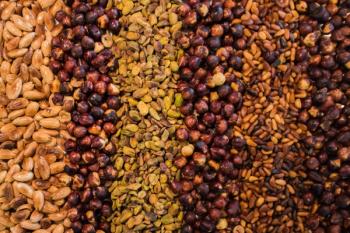
Investigators link early atopic manifestations and other complications to tree nut allergy, which account for most of all food related deaths by anaphylaxis.

Staff from schools across the United Kingdom express desire for enhanced staff preparedness and internal allergy policy review after being surveyed by investigators.

Post-survey responses show educators were eager to learn more about how to prevent students from experiencing food-anaphylactic reactions.

In data presented during AAAAI 21, researchers compared the 2006 and 2016 versions of the diagnostic criteria proposed by the NIAD/FAAN.
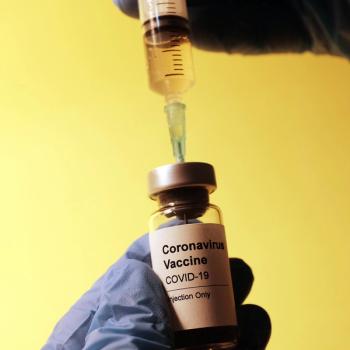
In the initial report, investigators find just 2.5 cases of anaphylaxis per million doses of the Moderna COVID-19 vaccine.