

Opinion|Videos|November 27, 2024
Second-Line Treatments and Management of Symptoms in PBC
Key Takeaways
- OCA is a second-line therapy for PBC, activating the farnesoid X receptor to reduce bile acid synthesis.
- Long-term OCA use can cause pruritus and fatigue, requiring effective symptom management strategies.
The panel of experts cover second-line treatment options for primary biliary cholangitis (PBC), focusing on the use of obeticholic acid (OCA), its mechanism of action, management of adverse effects like pruritus and fatigue, the role of off-label fibrates, and strategies for assessing and adjusting therapy based on patient response and adverse effects.
Advertisement
Episodes in this series
Video content above is prompted by the following:
- There are several second-line therapy options, including the first approved option, OCA. When do you use OCA, and when do you evaluate if it successfully meets treatment goals?
- Could you briefly explain its mechanism?
- Long-term treatment with OCA is associated with pruritus (77% of patients) and fatigue (33% of patients) (
Trauner, 2019 ), which are also symptoms of PBC. What strategies do you use to manage these symptoms in general?- How do you counsel patients who may consider starting OCA and are affected by pruritus prior to therapy
- The off-label use of fibrates has been another treatment option for PBC. When and how do you use fibrates for treating PBC? What are some challenges and adverse effects of fibrates?
- How do you assess the effectiveness of these therapies in managing the disease? Please comment on biochemical response, pruritus, potential adverse effects, etc.
- What are the key indicators that suggest a need for a change in treatment strategy?
Advertisement
Related to this article

Sarina Berger Elmariah, MD, PhD, MPH, discusses 3-year nemolizumab data in early responders and what IL-31 blockade means for itch and atopic dermatitis.
Participants described how comorbidities, payer formularies, and patient preference shape biologic choice in asthma and COPD.
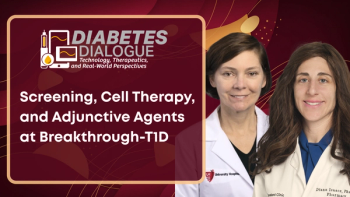
Diana Isaacs, PharmD, and Natalie Bellini, DNP, recap the first-ever Breakthrough T1D Clinical and Research Congress.

Alpha-gal syndrome is reaching new regions, but delayed reactions and GI-only symptoms can leave patients undiagnosed for months or years.

Repeated oral steroid bursts are the main trigger for starting a biologic, while therapy for non-type 2 inflammation COPD remains an unmet need.
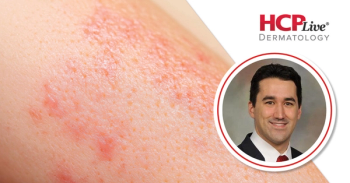
At Fall Clinical 2026, Aaron S. Farberg, MD, shares how gene expression testing guides melanoma and atopic dermatitis care and what Ameluz PDT adds.

A roundup of updates spanning PsO, atopic dermatitis, alopecia areata, vitiligo, palmoplantar pustulosis, cutaneous sarcoidosis, and discoid lupus.

Catch up on HCPLive’s second-half Fall Clinical 2026 coverage, from HS underdiagnosis in men and long-term acne data to advanced cutaneous SCC care.
Advertisement
Advertisement
Trending on HCPLive
1
Tezepelumab Meets Co-Primary End Points in Phase 3 CROSSING Trial in EoE
2
52-Week Litifilimab Data in Cutaneous Lupus Erythematosus
3
Mirikizumab Shows Early Efficacy in Pediatric UC in SHINE-2 Trial
4
Tenapanor Linked to Lower IBS-C Care Use, With Kyle Staller, MD, MPH
5