

































































Pain management is everyone's job. It's a human problem.
Pain management is everyone's job. It's a human problem.

There is a lot of regulatory scrutiny, media attention, and confusion about managing pain, so patient education should be at the forefront of physicians' minds.

As conditions like PTSD have been brought to the forefront work has been done to help not only current service members but also veterans who may be dealing with that and other conditions during and after service.

The treatment of ADHD has made a lot of progress from where it was just a few years ago. Despite that there is much more work to be done to help this patient population.

As the diagnosis process for adults with ADHD becomes more commonplace in medicine today there is still a gap in finding effective treatments to help patients with the condition from childhood to adulthood.

When most people think of palliative care their first thought is likely to hospice and end of life oncology care, but experts in the field are working to change and expand that perception to other areas of health care as well.




Studying the use of targeted medicines in psychiatry is still new but early studies have shown that this could be a viable treatment option in the future for some patients in need.

In the field of oncology the use of targeted medications is becoming more commonplace to address various conditions. Research is being done in other areas of medicine, including psychiatry to see if there is more that can be done to address this patient population as well.

For people who may not know what borderline personality disorder is or have questions about what can be done to help these patients a new effort is being made to raise awareness about this difficult condition.

The Nazi criminals' crimes against humanity continue to stun psychiatrists. Was there a neurological defect involved?

Modern medicine focuses too much on extending life and too little on making sure that's the kind of life patients want. Using conversational skills like those of psychiatrists, that can change for the better.
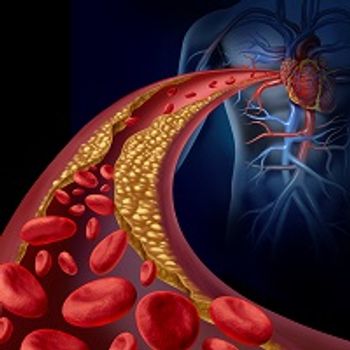
Do patients diagnosed with anxiety disorder experience a greater burden of metabolic disorders such as diabetes and hyperlipidemia?

Although Lyme disease typically impacts the skin, joints, and heart, it can also cause a variety of neurologic and psychiatric complications for which there are no current treatment guidelines.

The first study to look at the relationship between sexually transmitted infections (STIs) and the severity of borderline personality disorder (BPD) symptoms came back with some staggering numbers.

The main ingredient in Tylenol can kill a person’s empathy for others, according to a new study from Ohio State.
Compulsive behavior – to gamble, binge eat, shop, and have sex – is linked to the antipsychotic drug aripiprazole.

Rosacea patients are at a higher risk of developing Alzheimer’s disease and dementia, according to new research.

As the population gets older more questions are being asked about what can be done to prevent dementia and whether there are certain activities which are better suited to achieve this goal if it is possible.