
Catch up on any data and key clinician perspectives presented at the American Diabetes Association Scientific Sessions 2026.
Catch up on any data and key clinician perspectives presented at the American Diabetes Association Scientific Sessions 2026.
In this SDPA Summer Dermatology Meeting interview, Zirwas speaks on treatment gaps for dermatologic conditions and off-label alternatives.

Douglas Mack, MD, discusses the upcoming phase 2 THRIVE trial assessing the Viaskin Peanut patch in infants aged 6 through 12 months with peanut allergy.

A hepatologist discusses ALP response, fibrosis risk, and treatment optimization in PBC.

LATITUDE Atlas saw more than 35% of patients receiving zasocitinib 30 mg once daily reaching a PASI100 response at week 16, the primary endpoint.
Fonseca discusses substantially lower persistence and adherence with GLP-1s in real-world practice, highlighting methods for clinicians to address this.
This SDPA Summer 2026 talk highlights off-label treatment tips for dermatology clinicians in conditions such as alopecia areata, morphea, and different genital conditions.
This episode covers recently released data regarding the Dexcom G7 and Eli Lilly’s investigational triple agonist retatrutide from ADA 2026.
Jose Arias Jr., MD, discusses GINA 2025 criteria, ICS initiation, device education, and distinguishing viral wheezing from early asthma in children under 5 years.
Shaminie Athinarayanan, PhD, discusses her recent study investigating the role of carbohydrate reduction in patients with obesity currently going through menopause.
This preview of the 2026 SDPA Summer Dermatology Conference highlights different sessions and interviews covered by the HCPLive team.

associated with cardiovascular risk

An APP forum discusses navigating a complex biologic landscape with significant administrative, access, and patient education responsibilities that physicians may encounter less directly.
Lance Sloan, MD, discusses his recent sub-analysis of the CATALYST trial, investigating whether hypercortisolism limits the efficacy of GLP-1s.
Sarath Raju, MD, discussed a study that found persistent IR was associated with higher ground glass opacity on CT, suggesting metabolic inflammation may drive early ILD development.
An EPICS-III study investigator discusses the mechanism of action of saroglitazar to treat patients with PBC.
Functional air trapping in emphysematous lung regions may predict pneumothorax after BLVR, per ATS 2026 data presented by Isam Albaba, MBBS, from Temple University.
Amit Gupta, MBBS, DNB, joins the show to discuss diabetes treatment in a traditionally underserved population and to address the IDF’s work in moving it forward.
Eli Lilly announced FDA approval of a 250 mg every-8-week lebrikizumab maintenance regimen, supported by 32-week ADjoin extension data.
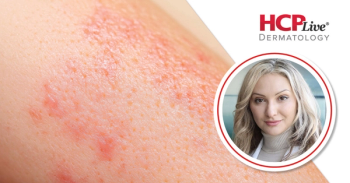
Natasha Mesinkovska, MD, PhD, speaks on the potential impact that an additional approved therapy like upadacitinib could have on younger patients with alopecia areata.
This interview on a possible upcoming therapeutic option for severe alopecia areata highlights information regarding upadacitinib (Rinvoq) and its potential.
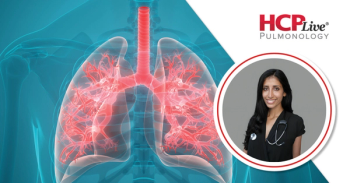
Payel Gupta, MD, discusses how IgE, FeNO, and type 2 comorbidities inform biologic choice and when a lack of response warrants switching agents.

Sparrow Pharmaceuticals presented phase 2a data for the HSD-1 inhibitor clofutriben at ADA 2026.
The FDA marked bemotrizinol as first new active ingredient on the over-the-counter (OTC) sunscreen monograph since the 1990s.

Learn what the first-ever CKM syndrome guideline means for screening, treatment, and the connection between heart disease, kidney disease, diabetes, and obesity.
Elecoglipron 75 mg produced 10.5% body weight reduction at 26 weeks in VISTA and a 1.9% HbA1c reduction at 26 weeks in SOLSTICE.
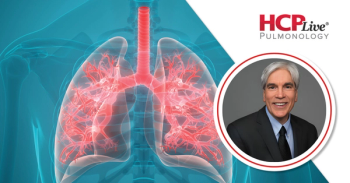
Phase 2 findings presented at ATS 2026 by Gerald Criner, MD, show pegtarazimod cut supplemental oxygen needs in hospitalized AE-COPD patients for up to 60 days.
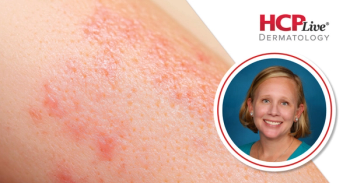
This segment of the May episode of The Medical Sisterhood highlights key points regarding the impacts of role models on young patients in dermatology.
At ATS 2026, Robert Wallis, MD, discussed PanTB-HM findings on FEV1 recovery and NAC antimicrobial interactions.
This segment of the latest Skin of Color Savvy episode highlights clinician viewpoints surrounding sun protection and skin cancer.