


Ophthalmology
Latest News
Advertisement
Latest Videos






CME Content


























































Advertisement
More News

Dr. Dhoot discusses data on visual acuity from the phase 3 KESTREL and KITE trials, comparing brolucizumab to aflibercept at 52 weeks.
The Director of Retina Services at Wills Eye Hospital joins to discuss the historic FDA approval granted for a novel method of ophthalmic care: a permanent implant that allows for vision-saving formula therapy to treat the eye continually.

Dr. Khanani highlights data from MERLIN showing noninferiority of brolucizumab to aflibercept in nAMD treatment, but a higher rate of intraocular inflammation.

Dr. Sheth discusses the data from the late-breaking Phase 2B ALTISSIMO study.

Dr. Regillo discusses the efficacy and durability of faricimab for wet AMD treatment in TENAYA and LUCERNE, showing noninferiority to aflibercept.

Dr. Singh discusses the aging population in ophthalmology care, advances including port delivery systems, and the potential rapid uptake of faricimab in treatment.

A geographical study shows patients in areas with lower income, education, and higher rates of ophthalmic disease may be a greater distance from a trial site.
Dr. Singh discusses results from TENAYA and LUCERNE on faricimab compared to afilbercept in patients with nAMD.

The COLUMBUS-AMD trial suggests the investigative biosimilar could benefit patients newly diagnosed with nAMD.

A cost-based assessment of Protocol W and PANORAMA clinical data suggests diabetic retinopathy may be less costly to prevent than macular edema.

Dr. Sternberg discusses step therapy in wetAMD treatment and his opinions in favor of its use.

Bevacizumab-vikg was associated with statistically significant improvements in patient BCVA scores over a period of 12 months, according to phase 3 findings.
A meta-analysis comparison of dosing regimens for patients with nAMD show little difference in efficacy, but differences in patient involvement in care.

A phase 1 trial of the investigative drug suggests its promise in a novel strategy of managing patients with retinal fluid.

Dr. Lally discusses the effect of avacincaptad pegol treatment on the progression of geographic atrophy and intermediate age-related macular degeneration.
Findings from the phase 2 INFINITY suggest a more dose-dependent influence on safety outcomes in patients receiving sustained benefit for diabetic macular edema.
An update from the PIONEER trial shows the combination gene therapy and medical device strategy is safe and tolerable, while providing cases of improved light perception.

Dr. Haller discusses issues in diversity and inclusion in retina, but provides avenues for solutions and what needs to come next.

An AAO 2021 presentation highlighted the industrial design differences that could result in treatment overdoses with pre-filled syringes of aflibercept.

Early 2020 response to the pandemic was linked to many patients being lost to follow-up, and countries reported worse overall visual acuity among their patients.

New HAWK and HARRIER findings show patients with fluid-free visits reported greater benefit in BVCA while receiving anti-VEGF.
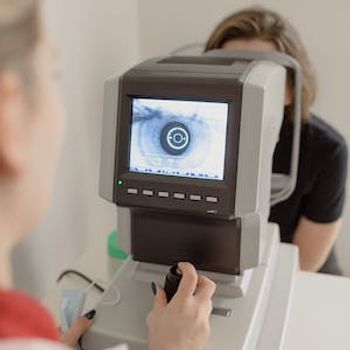
Genetic evidence show increased alcohol intake may be a causal risk factor for GA, while increased lifetime smoking was associated with risk of advanced AMD.

Proportion of eyes with IOP-related events supported monitoring in eyes treated with anti-VEGF therapy for macular edema associated with CRVO or HRVO for up to 60 months.

Phase 3 data show the solution works as fast 15 minutes and lasts for up to 6 hours, to improve near vision without impacting distance vision.
Triamcinolone acetonide injectable suspension has been approved for administration via the suprachoroidal pathway—located in the back of the eye.
Advertisement
Advertisement
Trending on HCPLive
1
AIRCULES: Lunsekimig Benefit Scales With Severity, With Njira Lugogo, MD
2
What Baseline Disease Severity Hides in PsA Trial Data, With David Oberlin, MD
3
ESC 2026 Recap: 5 Practice-Changing Trials to Know
4
Semaglutide Cuts Asthma Attacks by up to 40% in Real-World Study
5